DIY Wooden Backpack Frames
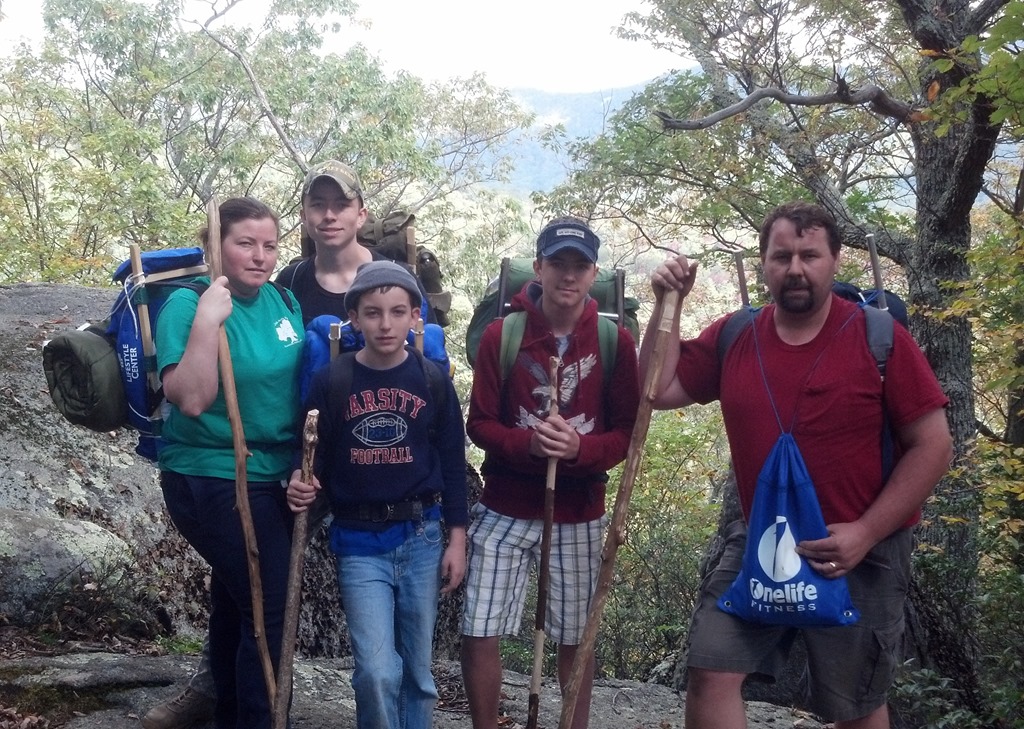
I built these DIY wooden backpack frames just before a family hike to Jones Mountain Cabin. The trail was about 5 miles uphill one way, and we needed a way to carry sleeping bags and gear without buying several commercial frame packs.
The idea was simple: make the frames from construction lumber, then reuse straps and soft parts from thrift-store backpacks. They were not fancy, but they were cheap, sturdy enough for the trip, and a lot better than trying to hand-carry everything up the mountain.
Project Goal
The goal was not to design an ultralight backpacking frame. I wanted three homemade pack frames that could be built quickly from material I already had, adjusted for the kids, and used for one specific hiking trip.
That shaped the whole build. I used ordinary lumber, simple joinery, salvaged straps, and whatever padding made sense once we tried the frames on. If I were building these for repeated long-distance use, I would spend more time on weight, fit, and shoulder-strap comfort. For this trip, simple and workable was enough.
Building The Wooden Frames
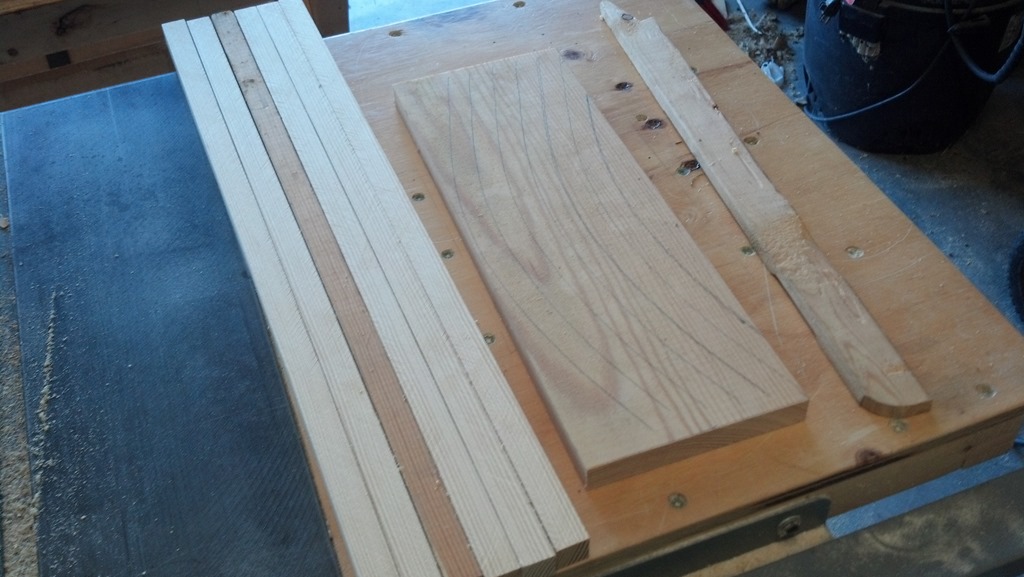
I built all three wooden backpack frames from 6 feet of 1 x 6 construction-grade lumber. It was what I had on hand, so I used it. A lighter or stronger wood might be better for a refined version, but the ordinary lumber worked well enough for this first build.
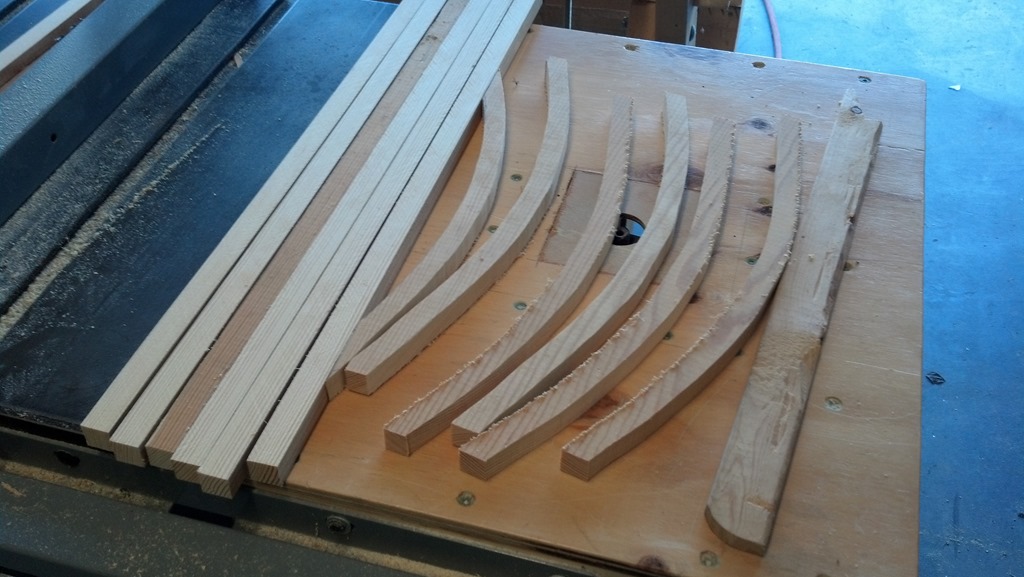
I started by marking and cutting the curved wooden supports for the back of each frame. The curves gave the frame some shape and helped keep the load from sitting completely flat against the back.
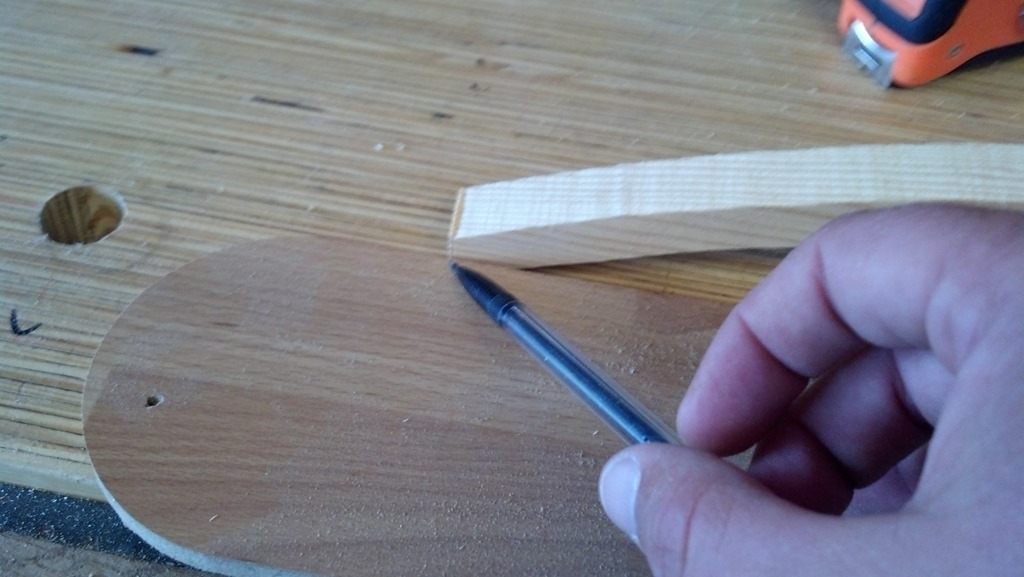
To make sure the curved supports fit cleanly inside the straight frame rails, I set each piece on the workbench and used a 1/4 inch thick scrap as a marking gauge. Then I cut the flats on the bandsaw so each support would seat cleanly against the main frame.
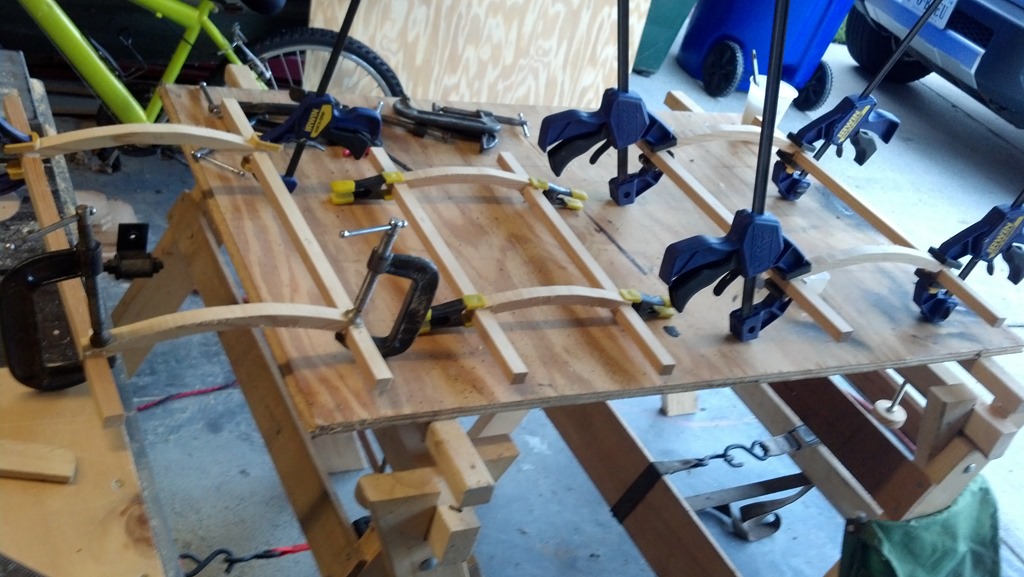
For the straight main supports, I cut a shallow dado about 1/4 inch deep for the curved back supports to fit into. That gave the glued joints a little more registration than a plain butt joint and made the frame easier to clamp square.
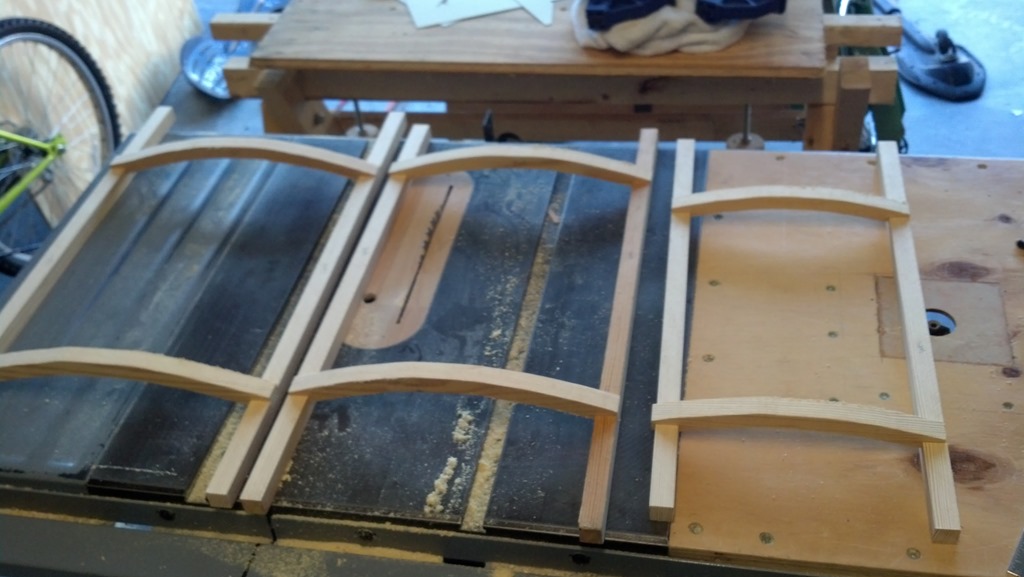
Once the main wooden frame was together, the next job was figuring out shoulder straps, padding, and how the packs would attach.
Straps And Packs
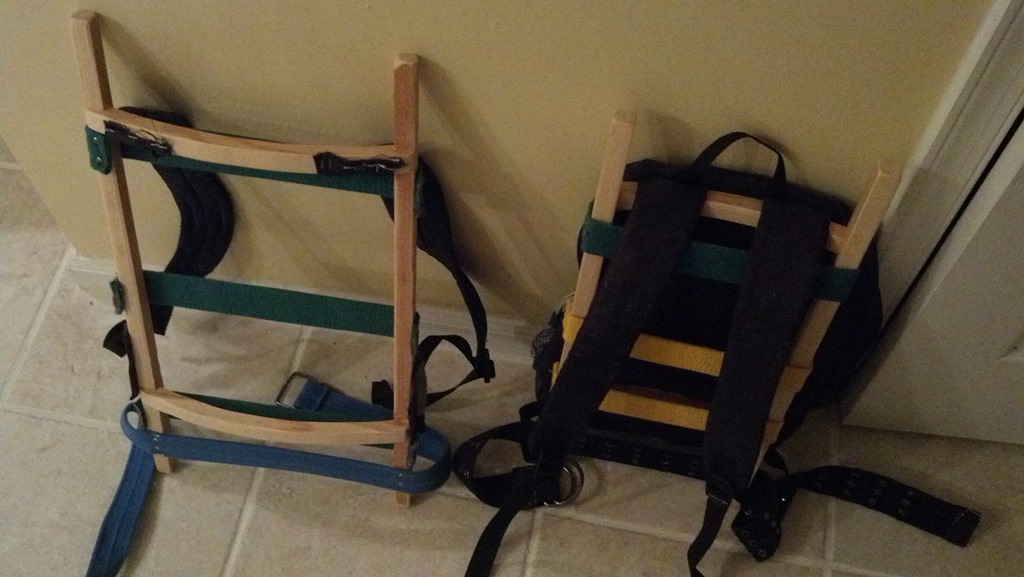
A trip to the local thrift store turned up a few worn-out backpacks, belts, and karate belts. I cut up the karate belts and attached them in three places to help keep the wooden frame off the kids' backs.
On the hike, we stuffed a small pillow between the frame and the back support area. That was not elegant, but it worked better than I expected and made the frame much more comfortable.
We also fit a standard-issue rucksack to one of the frames. It almost seemed made for it. My oldest son carried that one. It was heavy, but it made it through the full 10 mile hike.
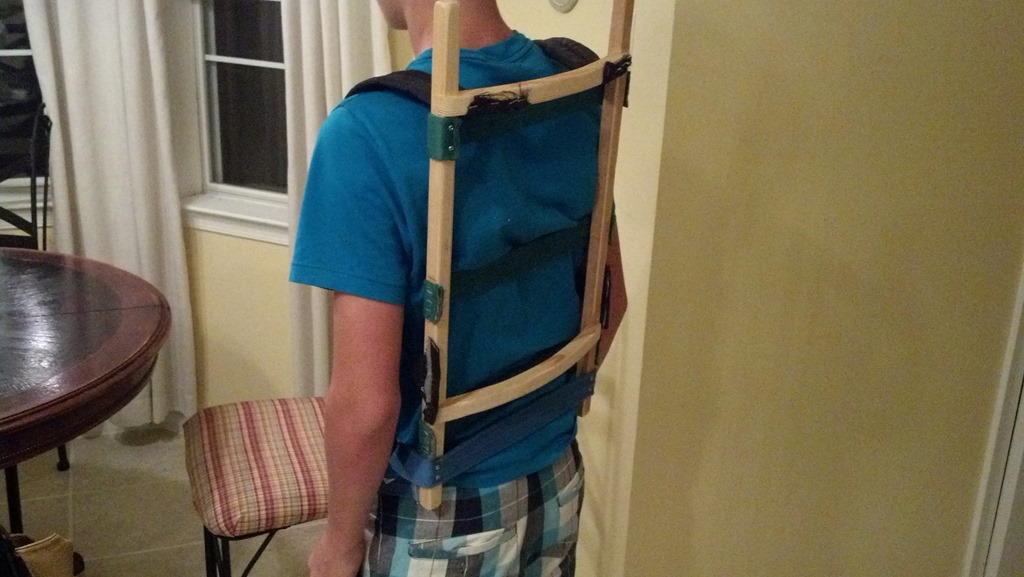
Here is one of the smaller wooden pack frames with gear tied on: a duffle bag up top and a sleeping bag toward the bottom. My wife ended up using this one.
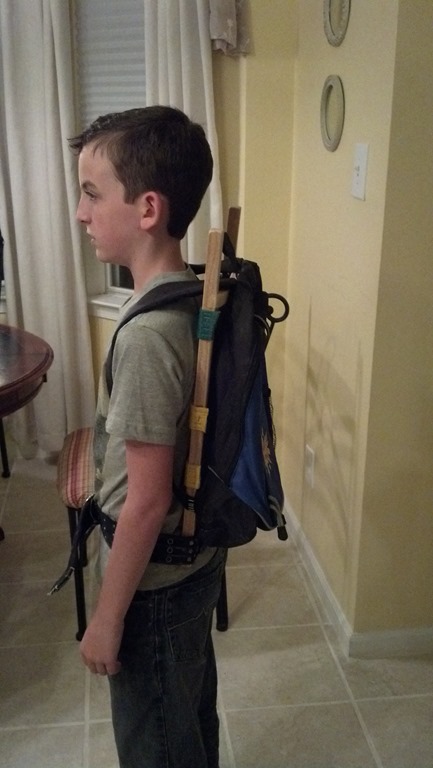
For the smallest frame, I attached an entire small backpack directly to the wooden frame. That kept the setup simple and gave him a familiar pack shape while still adding the structure of the wooden frame.
What Worked
For less than 30 dollars, these three DIY wooden backpack frames did what I needed them to do. They carried the gear, survived the hike, and kept us from buying commercial frame packs for a one-time experiment.
The biggest lesson is that the frame itself is only part of the project. The straps, padding, and how the load is tied on matter just as much. If I built another set, I would still keep the wood frame simple, but I would spend more time making the shoulder straps and back padding easier to adjust.
These frames are still hanging in the garage, waiting on the next hiking adventure.